Introduction
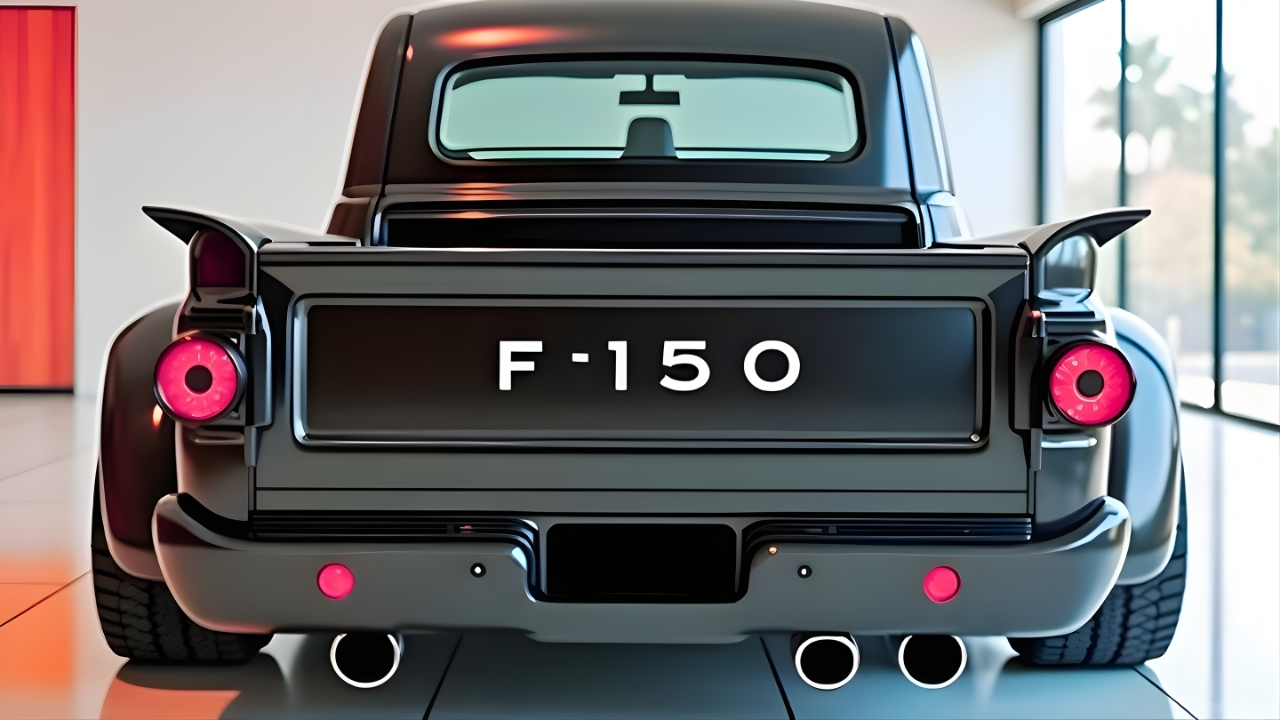
The 2026 Ford F‑150 is poised to become the most talked‑about full‑size pickup on U.S. roads. Ford has taken the proven F‑Series platform and injected it with a suite of power‑train upgrades, next‑generation technology, and a refreshed interior that feels more like a modern SUV than a workhorse. Whether you spend your weekdays hauling cargo, heading out on a weekend adventure, or simply need a reliable vehicle for daily commuting, the newest F‑150 promises to blend raw capability with everyday comfort.
Why the 2026 Model Matters
For more than seven decades the F‑150 has defined the American pickup segment. Its reputation for durability, towing prowess, and an ever‑expanding list of options has kept it at the top of sales charts year after year. The 2026 iteration builds on that legacy by addressing three key areas that buyers have repeatedly asked for:

- Improved fuel economy – thanks to refined EcoBoost engines and a new plug‑in hybrid system.
- Advanced driver assistance – a suite of semi‑autonomous features that make long hauls less tiring.
- Elevated cabin experience – larger infotainment displays, premium materials, and better noise insulation.
These improvements are not just incremental; they represent a shift toward a pickup that can compete with crossovers on comfort while still outperforming rival trucks on work‑related tasks.
Availability Timeline
Ford has announced that dealers will begin receiving the 2026 F‑150 in the third quarter of 2025. Pre‑order windows are set to open in early 2025, giving enthusiasts and fleet buyers plenty of time to configure their ideal truck before production ramps up. As with previous model years, delivery schedules will differ by trim level and regional demand, so securing a reservation early—especially for high‑demand configurations like the Raptor or the hybrid powertrain—is advisable.

Powertrain Options
The 2026 F‑150 introduces four distinct engine families, each targeting a specific blend of performance and efficiency.
- 3.3‑liter V6 – The base engine delivers 290 horsepower and 265 lb‑ft of torque. It’s best suited for light‑duty users who value simplicity and low ownership costs.
- 2.7‑liter EcoBoost V6 – Producing 325 hp and 400 lb‑ft, this turbocharged unit offers a noticeable boost in towing capacity while still achieving respectable mileage.
- 5.0‑liter V8 – The classic “big block” returns with 400 hp and 410 lb‑ft, giving the truck its most muscular towing numbers and a throaty exhaust note that purists love.
- 3.5‑liter PowerBoost Hybrid – Combining a twin‑turbo V6 with an electric motor, the hybrid produces 430 hp and a massive 570 lb‑ft of torque. Its standout feature is a higher combined fuel‑economy rating, especially on highway miles, making it the most eco‑friendly option in the lineup.
All engines are paired with a ten‑speed automatic transmission that features adaptive shift strategies, ensuring smooth acceleration whether you’re navigating city traffic or climbing a steep grade.

Feature Overview
Interior and Technology
Inside the cabin, Ford has expanded the standard 12‑inch touchscreen to a 15‑inch high‑resolution display on higher trims. The new infotainment system runs on the latest SYNC 4 platform, offering faster response times, wireless Apple CarPlay and Android Auto, and over‑the‑air software updates. A wireless charging pad sits conveniently between the front seats, while optional 12‑speaker B&O sound systems deliver concert‑hall quality audio.
Seating has been refined with more supportive cushions and added lumbar adjustment on the driver’s side. Noise‑cancelling acoustic glass and upgraded insulation reduce road buzz, creating a quieter environment for long journeys.

Safety and Driver Assistance
Ford’s Co‑Pilot360 suite now includes:
- Adaptive cruise control with stop‑and‑go functionality.
- Lane‑keeping assist that can provide gentle steering corrections.
- A 360‑degree camera system with split‑view top‑down perspective.
- Blind‑spot monitoring paired with rear cross‑traffic alert.
- Automatic emergency braking with pedestrian detection.
These features work together to make daily commutes less stressful and to provide an extra layer of protection when the truck is used for heavy‑duty tasks.

Exterior Design
The 2026 model embraces a more aerodynamic silhouette while retaining the signature bold front grille. LED lighting runs the length of the vehicle, with updated headlamp clusters that project a brighter, more focused beam. Aerodynamic enhancements, such as a reshaped rear spoiler and flush-mounted side mirrors, help improve fuel efficiency without sacrificing the rugged look favored by truck enthusiasts.
Pricing Breakdown
Pricing for the 2026 F‑150 varies based on trim, powertrain, and optional equipment. The base XL equipped with the 3.3‑liter V6 starts near $39,500. Mid‑range trims like the XLT and Lariat, which add upgraded interior materials and additional tech, sit in the $45,000–$55,000 range. The high‑end Platinum and Raptor models, featuring the V8 or hybrid powertrains and premium features, can climb to $70,000–$75,000. Hybrid variants typically start around $53,000 and can exceed $70,000 when equipped with full‑size luxury packages.

Dealers may also include region‑specific fees, destination charges, and any applicable incentives, so final on‑road prices will differ from the manufacturer’s suggested retail price.
Fuel Efficiency and Towing Capability
Ford has prioritized efficiency across all powertrains. EPA estimates are roughly:
- 3.3‑liter V6: 19 mpg city / 24 mpg highway.
- 2.7‑liter EcoBoost: 20 mpg city / 26 mpg highway.
- 5.0‑liter V8: 17 mpg city / 23 mpg highway.
- 3.5‑liter PowerBoost Hybrid: 24 mpg city / 26 mpg highway.
Towing capacity remains a strong point. When properly equipped, the V8 and hybrid models can tow up to 14,000 lb, while the EcoBoost V6 reaches around 12,000 lb. The hybrid’s instant torque also improves launch performance when pulling heavy loads.
Tips for Buying the 2026 F‑150
- Define your primary use – If you mostly haul payloads, the EcoBoost V6 offers a sweet spot between power and fuel economy. For maximum towing, consider the V8 or hybrid.
- Choose the right trim early – Luxury interiors, off‑road packages, and advanced safety tech are bundled into specific trims. Deciding early helps avoid last‑minute add‑on costs.
- Take advantage of pre‑order incentives – Ford often runs financing specials, loyalty rebates, or accessory credits during the reservation period.
- Test drive multiple configurations – The feel of a V6 versus a hybrid can be quite different, especially in city traffic. A hands‑on test will reveal which powertrain suits your driving style.
- Plan for long‑term ownership – Factor in insurance, fuel, and maintenance costs. Hybrid models may have higher upfront costs but can save on fuel over the life of the truck.
Common Mistakes to Avoid
- Overlooking payload limits – Even if the truck can tow a huge weight, its payload capacity may be lower. Exceeding it can strain suspension components.
- Skipping the accessory check – Items like the trailer brake controller, tow‑away lights, or off‑road suspension kits are often optional. Forgetting them can lead to extra trips to the dealer later.
- Assuming “bigger engine = better fuel economy – The hybrid’s electric assistance actually delivers the best highway mileage, while the larger V8 consumes more fuel even when it feels powerful.
- Neglecting software updates – The SYNC 4 system receives regular OTA updates that can improve navigation, infotainment, and even driver‑assist performance. Keeping the system current is essential.
- Choosing based on price alone – The base model is tempting, but it may lack essential features like the 360‑camera or advanced safety tech that add real value and resale appeal.
Conclusion
The 2026 Ford F‑150 represents more than a generational refresh; it’s a comprehensive evolution that respects the truck’s heritage while embracing modern expectations. From a diverse engine lineup—including a robust plug‑in hybrid—to a cabin that rivals premium SUVs, Ford has crafted a vehicle that can handle a construction site one day and a family road trip the next. Its blend of power, efficiency, and technology makes it a compelling choice for anyone seeking a full‑size pickup that doesn’t compromise on comfort or capability.

Frequently Asked Questions
Q1: When will the hybrid powertrain be available on all trims?
A: The PowerBoost hybrid is standard on the XLT and higher trims and optional on the XL. Delivery for hybrid models begins in the same third‑quarter 2025 window as gasoline‑only versions.
Q2: Does the 2026 F‑150 support aftermarket accessories like roof racks and bed liners?
A: Yes. Ford has kept the traditional mounting points for accessories, and a wide range of OEM and third‑party options are compatible with all body styles.
Q3: How does the towing capacity of the hybrid compare to the V8?
A: Both the hybrid and the 5.0‑liter V8 can tow up to 14,000 lb when equipped with the Max Trailer Tow Package. The hybrid’s electric torque gives it an edge in low‑speed launch, while the V8 offers a classic exhaust note.
Q4: Will the 2026 model have a manual transmission?
A: No. Starting with the 2026 model year, Ford has discontinued the manual gearbox for the F‑150, focusing exclusively on the ten‑speed automatic.

Q5: What warranty coverage does Ford offer on the new F‑150?
A: The 2026 F‑150 comes with a 3‑year/36,000‑mile basic bumper‑to‑bumper warranty, a 5‑year/60,000‑mile powertrain warranty, and a 10‑year/100,000‑mile corrosion protection warranty.
Disclaimer
The information provided in this article reflects publicly available data as of the publication date and is intended for general informational purposes only. Specifications, pricing, and availability are subject to change without notice. Readers should verify details with an authorized Ford dealer before making any purchase decisions.