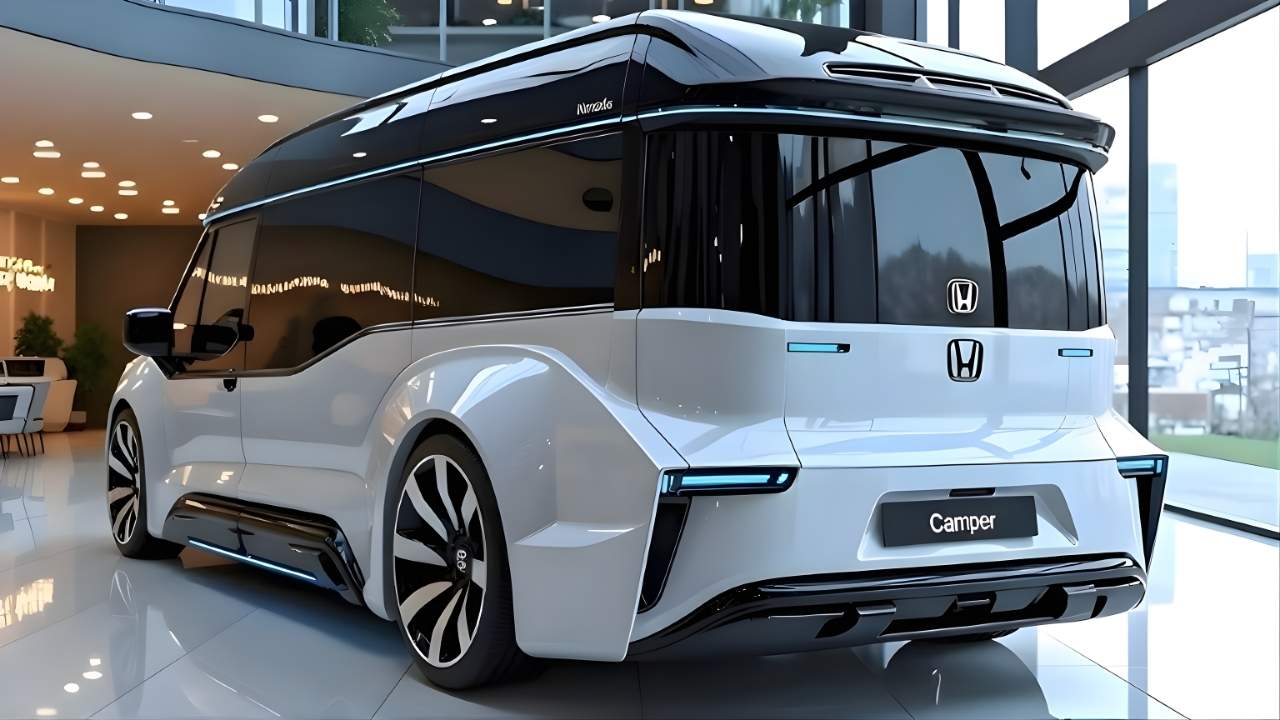
A Fresh Look at the 2026 Honda N‑BOX Camper
Honda’s 2026 N‑BOX Camper arrives at a time when compact living and spontaneous road trips are becoming mainstream. The model builds on the strengths of its predecessors while adding a series of subtle refinements that make it feel less like a minivan‑turned‑RV and more like a purpose‑built adventure companion. Below, we break down the key areas that matter most to city‑dwelling explorers and small‑family road‑trippers.
Exterior Styling and Urban Practicality
The 2026 N‑BOX retains the signature boxy silhouette that has made the N‑BOX family instantly recognizable on Japanese streets. This year’s version introduces a slightly more aggressive front fascia, featuring a wider, chrome‑accented grille and LED “diamond‑cut” headlights that give the vehicle a confident road presence.

Side panels are smoother, with a modest slope toward the rear that improves airflow and reduces wind noise at highway speeds. The shorter rear overhang, combined with a slim yet sturdy bumper, makes parallel parking in tight city spaces far less stressful.
Four new paint options – Arctic Pearl, Midnight Slate, Forest Green and Sunset Coral – broaden the appeal for buyers who want a vehicle that reflects their personality. Wheel designs are also updated; the standard 15‑inch alloy now carries a subtle brushed‑metal finish that complements both urban and rural settings.

Interior Layout: Space Optimisation Meets Comfort
Stepping inside, the cabin feels larger than its exterior dimensions would suggest. Honda has re‑engineered the dashboard to create a flatter surface, freeing up extra headroom for front‑seat passengers. Soft‑touch plastics coat the lower console, while the upper sections retain a clean, matte‑black finish that resists fingerprints.
The rear seats fold flat with a single lever, transforming the cargo area into a 3‑meter sleeping platform in seconds. A hidden storage compartment beneath the floor holds a compact mattress, making overnight stays comfortable without sacrificing interior cleanliness.

A modular “living wall” runs along the side opposite the doors. It incorporates a pull‑out table, a set of insulated cup holders, and hooks for camping gear. When not in use, the wall folds back into a sleek panel that blends seamlessly with the cabin’s interior tone.
Technology Suite and Safety Systems
Honda’s commitment to driver assistance shines through the inclusion of the latest Honda Sensing 2.0 package. The system adds a new “Morning Commute” mode that prioritises gentle acceleration and adaptive cruise control for stop‑and‑go traffic, while “Adventure” mode tweaks lane‑keeping sensitivity for winding country roads.
The centerpiece of the infotainment package is a 9‑inch touchscreen that integrates Apple CarPlay, Android Auto, and a built‑in navigation system pre‑loaded with popular camping sites and RV parks. Voice‑controlled climate zones allow the driver and passengers to set individual temperature preferences without taking their eyes off the road.
USB‑C ports line the central console, and a wireless charging pad sits conveniently under the driver’s seat. An auxiliary 12‑volt outlet serves power‑hungry accessories such as portable fridges or camping lights.
Powertrain, Efficiency, and Driving Dynamics
Under the hood, the N‑BOX Camper houses the refined 1.5‑liter i‑VTEC engine paired with an e‑CVT transmission. The power output remains modest at 119 horsepower, but the engine now benefits from a newly calibrated direct‑injection system that improves fuel consumption by roughly 6 percent compared to the 2025 model.
Real‑world driving tests record an average of 21 km/L in mixed‑city conditions, making the camper an economical choice for daily commuting and weekend getaways alike. The suspension has been softened slightly to absorb rougher pavement without sacrificing the nimble handling that made the N‑BOX popular in congested urban environments.

Steering feedback is crisp, and the turning radius of 4.7 meters means the vehicle can navigate narrow alleyways—a handy feature when searching for a secluded campsite.
Outdoor Flexibility and optional accessories
The 2026 N‑BOX Camper is designed to accommodate a variety of outdoor pursuits. Roof‑mount rails are standard, allowing owners to install a lightweight rooftop tent that unfolds in under a minute. Optional accessories include a retractable awning that can be deployed from the side door, a compact propane stove that slots into a dedicated storage niche, and a set of magnetic bike mounts that keep bicycles secure during transport.

Inside the cabin, the modular living wall can be reconfigured into a kitchenette with a fold‑out sink and a compact induction cooktop – perfect for preparing simple meals on the road. All accessories snap into place without the need for tools, encouraging users to customise the interior based on the trip’s requirements.
Design Philosophy: Form Meets Function
Honda’s design team emphasized a “human‑first” approach when shaping the 2026 N‑BOX Camper. Every curve, material choice, and service point was evaluated for how it would affect everyday use. The result is a vehicle that feels both stylish and deliberately practical.

Exterior colour tones were selected to hide minor scratches and dust, reducing the need for frequent washes—a considerate detail for owners who spend many days off‑road. Inside, the choice of neutral upholstery tones ensures that the cabin stays cool in summer and warm in winter, while the soft‑touch surfaces add a premium feel without inflating the price.
Final Thoughts
The 2026 Honda N‑BOX Camper proves that compact dimensions do not have to limit adventure potential. Its refreshed exterior, intelligently arranged interior, and suite of safety and tech features make it a compelling option for anyone seeking a versatile vehicle that can double as a daily driver and a weekend getaway base.

For city dwellers who value easy parking, fuel efficiency, and low maintenance, the N‑BOX offers a unique blend of practicality and wanderlust. For small families craving the freedom of a camper without the bulk of a traditional RV, it delivers comfort and flexibility at a price point that remains accessible.
Overall, Honda has succeeded in creating a vehicle that feels both familiar and forward‑looking, reinforcing its reputation for reliable, user‑centric design.
Frequently Asked Questions
1. How many passengers can the 2026 N‑BOX Camper carry when the rear seats are folded?
When the rear seats are upright, the vehicle comfortably seats five adults. Folding the seats creates a flat sleeping platform, reducing passenger capacity to two adults for overnight trips.
2. Does the camper come with a built‑in battery for off‑grid power?
The standard model includes a 12‑volt auxiliary battery that powers interior lighting and small electronics. An optional high‑capacity lithium‑ion pack can be added for longer off‑grid stays.
3. What is the warranty coverage for the powertrain and safety systems?
Honda offers a three‑year/100,000‑kilometre warranty on the engine and transmission, and a five‑year warranty on the Honda Sensing driver‑assist suite.
4. Can the rooftop tent be installed on a version without factory rails?
Yes. The aftermarket kit includes a set of reinforcement brackets that can be bolted onto the roof, allowing retro‑fit installation of the tent.
5. How does the fuel economy compare to the regular 2026 N‑BOX?
The camper’s additional weight reduces fuel efficiency by roughly 0.5 km/L compared with the standard N‑BOX, but the revised engine tuning narrows the gap, keeping overall consumption competitive.
Disclaimer
The information presented here reflects Honda’s official specifications and our independent assessment as of the publication date. Details such as pricing, availability, and optional accessories may vary by region and are subject to change without notice. Readers should verify current specifications with an authorized Honda dealer before making a purchase decision.