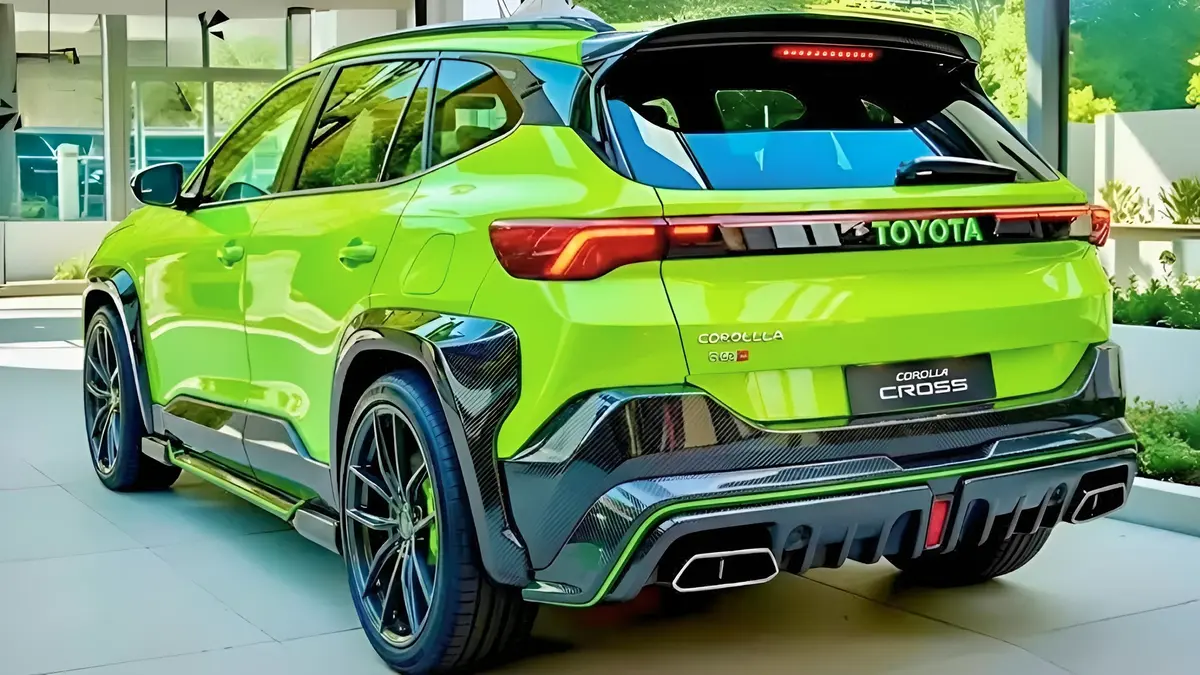
A Fresh Look at the 2026 Toyota Corolla Cross Hybrid
The 2026 Corolla Cross Hybrid arrives at a time when drivers expect the practicality of an SUV without sacrificing the environmental responsibility of a hybrid. Toyota has taken the familiar Corolla DNA and stretched it onto a compact crossover platform, delivering a vehicle that feels both familiar and forward‑thinking. Whether you are navigating crowded city streets, cruising on the highway, or loading up the family for a weekend adventure, the new Corolla Cross Hybrid promises a balanced mix of power, efficiency, comfort, and safety.
Powertrain that Packs a Punch
Under the hood sits a 1.8‑liter Atkinson‑cycle gasoline engine paired with a high‑output electric motor. Together they generate a solid 196 horsepower, a figure that feels more than adequate for a vehicle of this size. The CVT (continuously variable transmission) is tuned to provide smooth, uninterrupted acceleration, eliminating the jerky shifts that sometimes plague older hybrids. When you press the pedal lightly, the system leans on electric power, delivering quiet, emission‑free propulsion. As you demand more thrust, the gasoline engine seamlessly re‑engages, ensuring there is never a lag in performance. The result is a driving experience that feels both responsive and refined, whether you are merging onto a busy freeway or navigating tight urban corners.

Fuel Economy that Keeps Your Wallet Happy
One of the standout statistics for the Corolla Cross Hybrid is its combined fuel consumption of approximately 18 km per litre (about 42 mpg). The hybrid system constantly evaluates driving conditions, switching between electric, gasoline, or a blend of both to stay within the most efficient operating range. In stop‑and‑go traffic, the car can coast on electric power alone for short bursts, while on open roads the engine operates at its most economical load point. Owners report that the real‑world numbers often exceed the official rating, especially when the driver adopts gentle acceleration habits and takes advantage of regenerative braking. Fewer fuel stops translate into lower operating costs and a smaller carbon footprint—an attractive proposition for both budget‑conscious commuters and environmentally minded families.
Interior Quality and Connectivity
Step inside, and you’ll find a cabin that feels larger than its exterior dimensions suggest. Soft‑touch materials, a well‑contoured dashboard, and supportive seats create an inviting atmosphere. The centerpiece is a 14‑inch touchscreen that runs Toyota’s latest infotainment software. Apple CarPlay and Android Auto are integrated natively, allowing you to mirror your smartphone’s navigation, music, and messaging apps without fiddling with cables. Wireless charging pads sit within arm’s reach of the driver, while additional USB‑C ports serve rear passengers. Climate control is dual‑zone, and acoustic glazing helps keep cabin noise to a minimum, even at highway speeds. All of these touches combine to make long journeys feel less like a chore and more like a relaxed outing.

A Suite of Advanced Safety Features
Toyota’s reputation for safety is reinforced in the Corolla Cross Hybrid through the inclusion of Toyota Safety Sense (TSS) 3.0. The package includes a pre‑collision system with pedestrian detection, dynamic radar cruise control, lane tracing assist, and automatic high‑beams. Blind‑spot monitoring and rear cross‑traffic alert add an extra layer of awareness when changing lanes or backing out of parking spaces. The vehicle’s structure incorporates high‑strength steel reinforcements, and a comprehensive airbag system covers front, side, and curtain zones. Together, these technologies aim to reduce the likelihood of an accident and, if one does occur, to mitigate its severity. The result is a confidence‑boosting environment for drivers and passengers alike.
Exterior Styling that Turns Heads
The 2026 model adopts a more aerodynamic silhouette compared to its predecessor. A bold, honeycomb‑style front grille sits beneath sleek LED headlights, while sculpted side panels and roof rails provide visual interest and practical utility. Subtle hybrid‑specific badging distinguishes the eco‑focused variant from the conventional gasoline model. The rear end features a sleek spoiler and LED taillights that echo the front’s modern aesthetic. Alloy wheels, available in several finishes, complement the overall design language and contribute to reduced rolling resistance, supporting the vehicle’s fuel‑saving goals.

Ride Comfort and Handling Dynamics
Toyota has fine‑tuned the suspension to strike a balance between comfort and agility. The front MacPherson strut and rear torsion‑beam setup absorb road imperfections without feeling overly soft. Steering is light enough for effortless city maneuvering yet provides sufficient feedback to keep the driver engaged on winding roads. Braking performance is consistent, thanks to an electronic brake‑force distribution system that optimizes stopping power under varied load conditions. The hybrid drivetrain’s steady torque delivery eliminates the typical “gear‑hunt” of older automatic transmissions, resulting in a smooth, composed ride regardless of terrain.
Key Takeaways
- 196 hp combined output from a 1.8 L hybrid powertrain
- Around 18 km/L (≈ 42 mpg) combined fuel efficiency
- 14‑inch touchscreen with Apple CarPlay and Android Auto
- Toyota Safety Sense 3.0 suite of driver‑assist technologies
- Aerodynamic exterior design with distinctive hybrid cues
These points sum up why the Corolla Cross Hybrid stands out in the increasingly crowded compact SUV market.

Frequently Asked Questions
1. How does the Corolla Cross Hybrid compare to the regular Corolla Cross in terms of price?
The hybrid version typically starts about $2,000–$3,000 higher than the gasoline‑only model, reflecting the added cost of the electric motor, battery pack, and associated electronics. However, many owners find the fuel savings and tax incentives offset the initial price difference over time.
2. Can the battery be charged at home, or does it rely solely on regenerative braking?
The Corolla Cross Hybrid uses a self‑charging system; the battery is recharged automatically through regenerative braking and the engine’s excess power. No plug‑in charging is required or available for this model.

3. What is the warranty coverage for the hybrid components?
Toyota provides an eight‑year/100,000‑mile warranty on hybrid battery components, in addition to the standard three‑year/36,000‑mile bumper‑to‑bumper coverage for the rest of the vehicle.
4. Is there an all‑wheel‑drive option for this hybrid?
For the 2026 model year, the Corolla Cross Hybrid is offered exclusively with front‑wheel drive. Toyota may introduce an AWD variant in future releases, but it is not currently available.

5. How much cargo space does the vehicle provide with the rear seats up and folded?
With the rear seats in an upright position, the cargo area offers roughly 430 liters (15 cubic feet) of space. Folding the rear seats flat expands the capacity to around 1,250 liters (44 cubic feet), suitable for larger luggage or outdoor gear.
Disclaimer
The information presented here is based on publicly available specifications and editorial assessment as of the 2026 model year. Actual performance, fuel economy, and equipment levels may vary depending on market, trim level, and driving conditions. Prospective buyers should verify details with an authorized Toyota dealer before making a purchase decision.