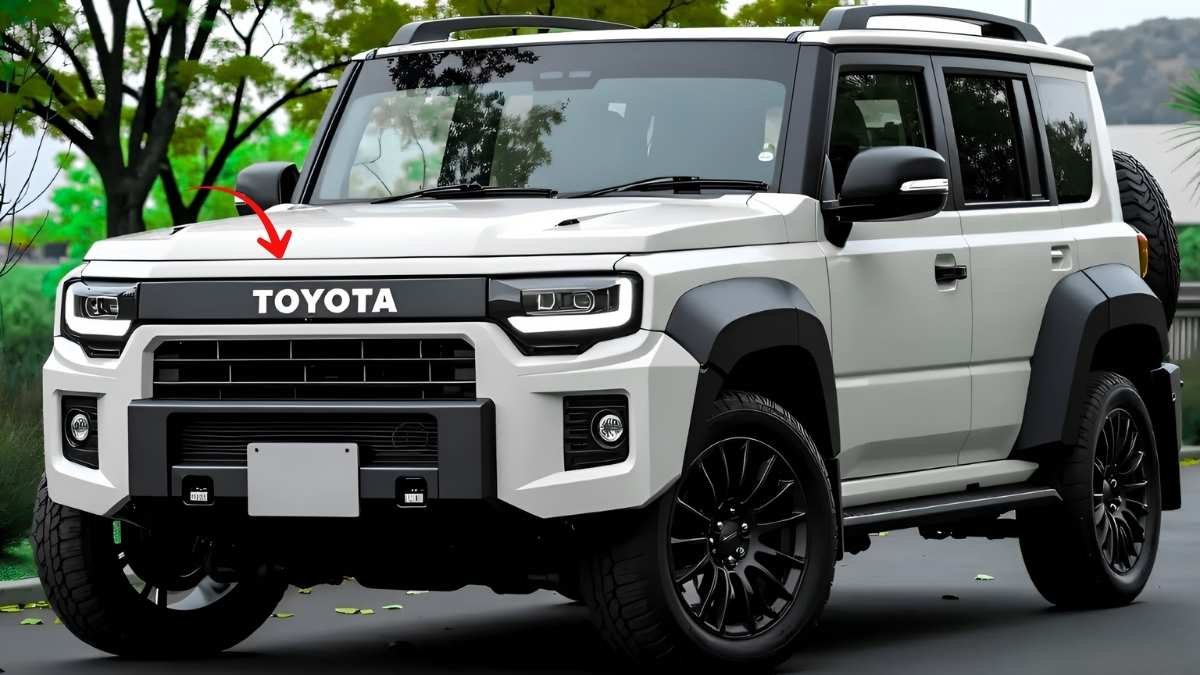
2026 Toyota Baby FJ Cruiser – A Fresh Look at an Old Legend
The 2026 Toyota Baby FJ Cruiser arrives as the company’s answer to the growing demand for a small‑size, adventure‑ready SUV. While the original FJ‑Jumanji remains a cult classic, this new entrant translates the iconic silhouette into a city‑friendly footprint without losing the rugged DNA that made the first model a favorite among off‑road enthusiasts.
Exterior Styling and First‑Impression Appeal
From the moment the Baby FJ pulls into a parking spot, its boxy shape and high‑mounted round LED headlamps shout “retro”. Toyota has refined the front grille, adding sharper bite and a subtle mesh insert that gives the vehicle a more contemporary aggression. Shorter front and rear overhangs improve the break‑over angles, a practical benefit when tackling steep rock faces.

The SUV rides on 17‑inch all‑terrain tires wrapped in black, bead‑locked side cladding, and a set of black‑over‑grey skid plates that protect the underbody from rocks and branches. Roof rails are integrated into the bodywork, allowing easy attachment of a roof‑top tent or cargo box for weekend getaways.
Cabin Design, Materials, and Everyday Comfort
Step inside, and the Baby FJ’s interior makes it clear that durability was a top priority. Water‑repellent canvas seats sit atop hard‑wearing, soft‑touch panels that resist scratches and fade. The overall layout is minimalist: a three‑part instrument cluster sits directly behind a 10.5‑inch touchscreen, while the center console is kept low to preserve forward visibility on narrow trails.

Front seats are positioned upright, offering solid lateral support during long off‑road runs. The rear bench folds flat, expanding the cargo area to accommodate a full set of camping gear or a pair of surfboards. Storage is plentiful, with recessed door pockets, a dedicated grab‑handle over the passenger footwell, and a modest yet useful trunk sill that can be fitted with a removable net.
Powertrain Choices and Driving Dynamics
Toyota pairs the Baby FJ with a choice of two mild‑hybrid powertrains: a 1.8‑liter four‑cylinder delivering 140 hp and a 2.0‑liter unit pushing 165 hp. Both engines are paired with an electric assist motor that fills in torque gaps, giving the vehicle a low‑end pull that feels at home on steep inclines. The hybrid system also enables a stop‑start function and regenerative braking, helping the SUV achieve an estimated 30 mpg combined—impressive for a vehicle with genuine off‑road credentials.

The transmission is a six‑speed manual as standard, with an optional eight‑speed automatic that includes paddle shifters. Steering is light at low speeds, making city maneuvering a breeze, while the chassis remains planted when the driver pushes the vehicle up a slippery hill.
Off‑Road Architecture and Capability
Under the bonnet, the Baby FJ houses a part‑time 4×4 system with a selectable low‑range gear reduction. A front locking differential and an electronic rear limited‑slip unit work together to keep wheels planted on loose surfaces. Multi‑terrain drive modes—Mud & Sand, Rock, Snow, and an Eco‑Trail setting—adjust throttle response, transmission shift points, and traction‑control thresholds to match the terrain.

Ground clearance sits at 210 mm, and the approach, departure, and break‑over angles have all been boosted compared to previous compact SUVs in its class. The ladder‑frame‑inspired subframe, while not a true body‑on‑frame build, adds stiffness that helps the chassis survive repeated rock‑crawler sessions. Hill‑Descent Control and an electronic brake‑force distribution system add safety when navigating steep descents.
Technology, Safety, and Convenience
Inside the cabin, the Baby FJ feels modern. The infotainment screen runs Toyota’s latest OS, supporting wireless Apple CarPlay and Android Auto, as well as a suite of voice‑activated commands. A digital driver’s display presents speed, hybrid‑system status, and navigation cues at a glance.

Safety equipment includes the seventh generation Toyota Safety Sense package: adaptive cruise control, lane‑keeping assist, automatic emergency braking, and a 360° camera system that offers a bird’s‑eye view while maneuvering in tight spots. Two USB‑C fast‑charging ports, Wi‑Fi hotspot capability, and a Qi‑compatible wireless charging pad keep devices powered on long trips.
Pricing Outlook and Market Position
Toyota is positioning the Baby FJ Cruiser as an entry‑level yet premium‑feeling off‑roader. Early market leaks suggest a starting price in the region of $28,500 for the base 1.8‑liter hybrid, with the 2.0‑liter and automatic transmission options climbing to roughly $33,000. This places the model squarely between traditional compact crossovers and more specialized off‑road machines, aiming to attract youthful adventurers, small families, and anyone seeking a capable weekend vehicle without breaking the bank.

Final Thoughts
The 2026 Toyota Baby FJ Cruiser manages to balance nostalgia with practicality. Its retro‑inspired exterior, rugged underpinnings, and thoughtful hybrid powertrains make it a compelling choice for those who want to explore beyond the pavement without sacrificing daily drivability. Whether you’re navigating city traffic, heading for a weekend camping trip, or tackling a rocky backroad, the Baby FJ delivers a mix of confidence, comfort, and authenticity that few competitors can match.
Frequently Asked Questions
1. Is the Baby FJ Cruiser suitable for daily commuting?
Yes. The hybrid powertrain provides smooth acceleration and respectable fuel economy, while the compact dimensions make parking and city driving straightforward.

2. Can I install a roof‑top tent on the Baby FJ?
Absolutely. The integrated roof rails are designed to carry lightweight rooftop accessories, including the popular pop‑up tents offered by several third‑party manufacturers.
3. Does the vehicle come with any off‑road warranties?
Toyota offers a standard three‑year/36,000‑mile bumper‑to‑bumper warranty, plus a separate five‑year/60,000‑mile power‑train guarantee. There is also an optional off‑road protection package that covers suspension components and underbody armor.

4. What is the difference between the 1.8‑L and 2.0‑L hybrid models?
The 2.0‑L engine delivers an extra 25 hp and roughly 10 lb‑ft of torque, translating to marginally quicker hill climbs and a slightly higher top speed. Fuel‑efficiency figures remain close, with both models hovering around 30 mpg combined.
5. Will Toyota release an all‑electric version of the Baby FJ in the future?
Toyota has not announced concrete plans for a fully electric Baby FJ, but the company’s broader electrification strategy suggests a possibility down the line, especially as regulations tighten in key markets.

Disclaimer: The information presented here is based on publicly available data and preliminary specifications. Prices, features, and specifications are subject to change until Toyota officially releases the 2026 Baby FJ Cruiser.