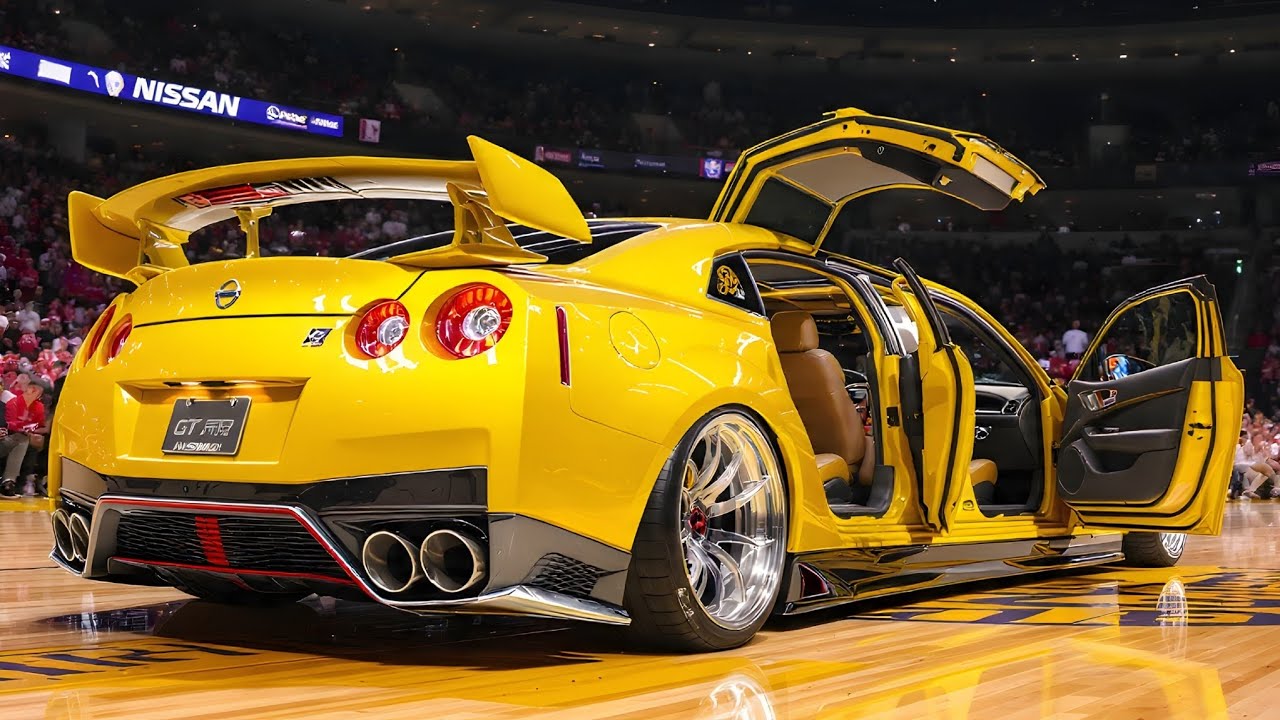
2026 Nissan GT‑R R36 Nismo Concept: The Next Chapter of a Legend
The Nissan GT‑R has long been the benchmark for unapologetic performance. Since the launch of the R35, the name “Godzilla” has become synonymous with raw power, razor‑sharp handling and an unmistakable presence on both road and track. As the automotive industry pivots toward electrified powertrains, Nissan is ready to write a new page in that history. The 2026 Nissan GT‑R R36 Nismo Concept is not merely a facelift; it is a reimagined beast that blends the soul of the original with the demands of a more sustainable future.

What the R36 Nismo Concept Represents
The R36 is Nissan’s answer to the growing expectation that supercars must be both thrilling and environmentally responsible. At its core, the vehicle is a high‑output hybrid, marrying a twin‑turbo V6 with an electric motor that delivers instant torque. The combination promises output in the vicinity of 900 horsepower, a figure that would keep the GT‑R firmly at the top of its class.
Why does this matter? Because the supercar segment is undergoing a seismic shift. Buyers now look for electrified performance without sacrificing the visceral connection that makes a car feel alive. Nissan’s approach attempts to preserve the feral character of the GT‑R while embracing the efficiency and responsiveness offered by electric assistance. If successful, the R36 could set a new standard for how legacy performance brands evolve.
Expected Reveal and Market Availability
Industry chatter suggests Nissan will unveil a fully functional prototype at the 2025 Tokyo Motor Show, followed by a North American debut at the 2025 Los Angeles Auto Show. Production models are slated for a 2026 launch, initially targeting Japan, the United States and select European markets.
Volume will be tightly controlled; Nissan plans to produce fewer than 5,000 units in the first year, focusing on craftsmanship and Nismo’s exacting performance standards. Early pricing estimates range from $200,000 to $250,000, depending on the chosen configuration and optional performance packages.
How the Hybrid Powertrain Works
At a high level, the R36’s powertrain consists of three key components:
Twin‑Turbo V6 Engine – A 3.0‑liter V6 equipped with two low‑inertia turbochargers. The engine delivers strong mid‑range power and the characteristic exhaust note that GT‑R fans cherish.

High‑Output Electric Motor – Positioned between the engine and the transmission, the motor provides up to 200 kW of instantaneous torque. This fills the low‑RPM gap that typically causes turbo lag, delivering a seamless surge from stop to launch.
Hybrid Battery Pack – A 12‑kWh lithium‑ion pack located centrally for optimal weight distribution. The battery is recharged through regenerative braking and a modest 2‑stage on‑board charger, allowing short electric‑only drives in city traffic.

Together, the system can propel the car from 0‑60 mph in under 2.0 seconds and push top speed beyond 210 mph. The electric boost also eases the strain on the turbochargers, improving durability and overall efficiency.
Design Language and Aerodynamics
The R36’s silhouette is unmistakably GT‑R, yet every line has been refined for the hybrid era. The front fascia features a narrower, laser‑cut grille that directs airflow to both the engine bay and the cooling system for the battery. Aggressive side skirts and a larger rear diffuser work in concert with an active rear wing that adjusts angle based on speed and driver‑selected mode.
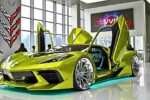
Carbon‑fiber is heavily employed throughout the chassis, lowering weight while adding rigidity. The roof panel doubles as a solar array that trickles additional charge to the battery when the car is parked, a subtle nod to Nissan’s broader electrification strategy.
Inside, the cockpit is driver‑centric. A fully digital instrument cluster presents power‑train data, torque vectoring status and real‑time battery health. The steering wheel houses paddle shifters for both the gasoline engine and the electric motor, letting the driver blend power sources on the fly. Lightweight bucket seats wrapped in Alcantara keep the cabin focused on performance, while subtle ambient lighting can be programmed to match a driver’s mood.

Potential Market Impact
If the R36 lives up to the hype, it could reshape expectations for hybrid supercars. Historically, manufacturers have either pursued pure electric performance (e.g., the Tesla Roadster) or retained conventional V8/ V12 powerplants (e.g., the latest Ferrari models). Nissan’s hybrid approach aims to capture the best of both worlds: immediate electric torque for launch, followed by the sustained, high‑rev thrill of a twin‑turbo V6.
Competitors may feel pressure to accelerate their own hybrid programs, especially those who have traditionally relied on naturally aspirated engines. The R36 could also inspire a new wave of “track‑ready” hybrids, where electric assistance is used not only for performance but also for precision control systems such as torque vectoring and active chassis dampening.
Standout Features
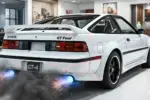
- Active Aerodynamics – An automatically adjusting rear wing and front splitter that respond to speed, yaw and driver‑selected mode.
- Hybrid Power‑Boost System – Electric torque fill that eliminates turbo lag and provides a flat torque curve from 0 rpm.
- Ceramic‑Matrix Braking – Lightweight, high‑temperature capable rotors that reduce unsprung weight and improve stopping power.
- AI‑Assisted Telemetry – A built‑in system that learns a driver’s style over time, offering predictive torque distribution and adaptive suspension tuning.
- Acoustic Exhaust Enhancement – A tuned exhaust that emphasizes low‑frequency rumble, preserving the GT‑R’s signature sound even with electric assistance.
Engineering Challenges and Solutions
Hybrid supercars face a unique set of hurdles.
Heat Management – The combination of turbochargers and high‑current electric components generates significant heat. Nissan counters this with a dual‑circuit cooling system: a traditional coolant loop for the engine and a separate liquid‑to‑air system for the battery and motor.

Weight – Adding a battery pack can erode the performance advantage of a lightweight sports car. Through extensive use of carbon‑fiber and magnesium alloys, Nissan keeps curb weight close to the R35’s figure, despite the extra components.
Driving Feel – Critics often argue that electrified powertrains can feel detached. To address this, the R36 incorporates an acoustic exhaust that projects a deep, resonant note at higher RPMs, while the electric motor’s whir is intentionally amplified through engineered cabin acoustics, creating a layered soundscape that feels purposeful rather than artificial.

Latest Industry Reaction
Since the first official teaser images appeared, automotive journalists have drawn parallels between the R36 and the Porsche 918 Spyder, noting that Nissan appears to be taking the hybrid supercar concept a step further by emphasizing raw performance over pure efficiency. Social media forums are buzzing with speculation about potential track times, with some enthusiasts posting simulated quarter‑mile runs that break the 9‑second barrier.
Nissan has confirmed that a limited‑run “Track‑Only” version will be offered, featuring a stripped‑down interior, a specially tuned suspension, and a dedicated launch control algorithm that maximizes the electric torque burst for drag‑strip competition.
Conclusion
The 2026 Nissan GT‑R R36 Nismo Concept is more than a new iteration of a beloved nameplate; it is a statement about how heritage performance can coexist with cutting‑edge electrification. By blending a twin‑turbo V6 with a high‑output electric motor, Nissan aims to deliver the instantaneous launch that modern enthusiasts expect while preserving the relentless, high‑speed thrills that made the GT‑R legendary.
If the final production model meets the projected specifications, the R36 could become the benchmark for hybrid supercars, prompting rivals to rethink their own powertrain strategies. For fans of the GT‑R lineage, the R36 promises a future where Godzilla roars louder, accelerates faster and still feels as connected to the driver as ever.
Frequently Asked Questions
1. When will the R36 be available for purchase?
Production is slated to begin in early 2026, with deliveries expected in the second half of the year for the first markets (Japan, United States, and select European countries).
2. How much of the car’s power comes from the electric motor?
The electric motor contributes roughly 200 kW (about 270 hp) of the total system output, providing immediate torque for launch and assisting the gasoline engine throughout the rev range.
3. Will there be an all‑electric driving mode?
Yes, the R36 includes a limited electric‑only mode suitable for city traffic. The 12‑kWh battery can sustain low‑speed cruising for up to 25 miles before the gasoline engine must engage.
4. How does the R36 handle heat dissipation for both the engine and battery?
A dual‑circuit cooling architecture separates engine coolant from the battery‑motor coolant, with dedicated radiators, electric water pumps and active airflow management via adjustable vents.
5. What is the expected price range?
Base pricing is projected between $200,000 and $250,000, with higher‑priced performance packages and bespoke options potentially pushing the price above $300,000.
Disclaimer
The information presented in this article is based on publicly available data, official Nissan statements, and industry speculation as of December 2025. Specifications, pricing, and availability are subject to change without notice. Readers should consult official Nissan sources or authorized dealers for the most current details before making any purchasing decisions.