Introduction
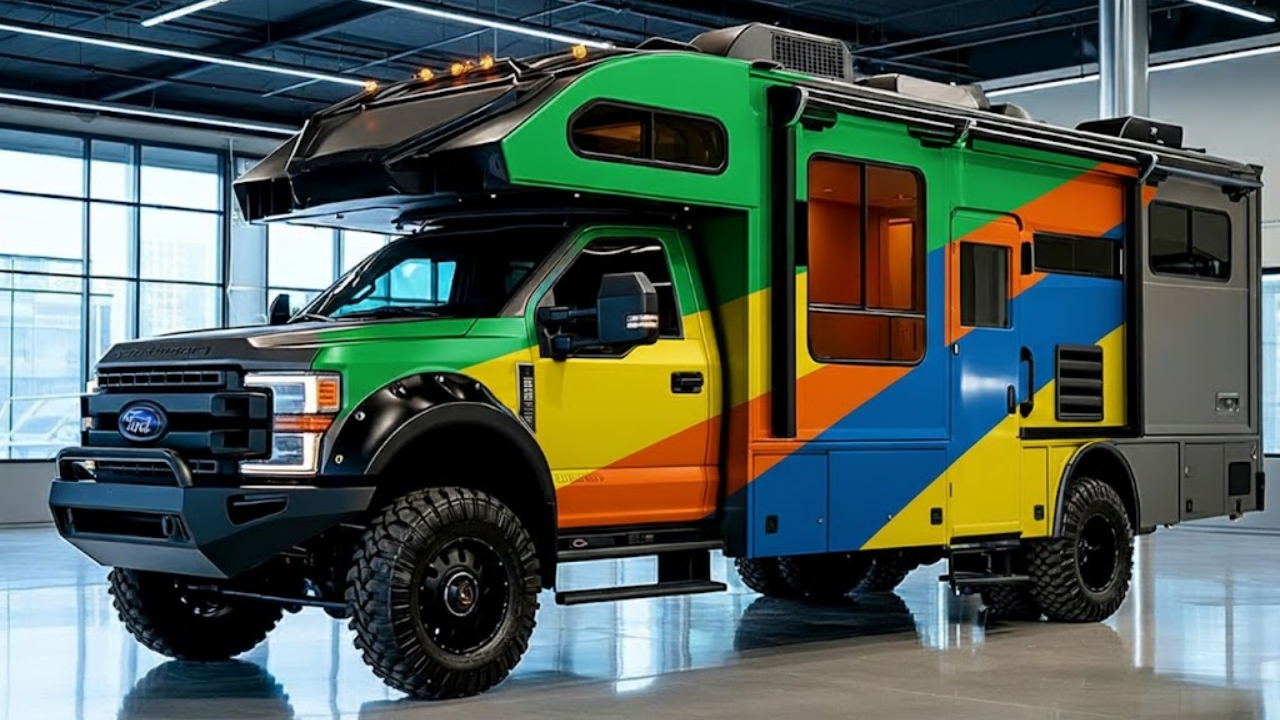
The 2026 Ford Expedition Camper arrives as a bold statement in the adventure‑vehicle market, marrying the muscular heritage of the Expedition SUV with a fully equipped, self‑contained living space. Designed for seasoned overlanders, remote‑work nomads, and anyone who craves the freedom to venture beyond the asphalt, the new camper delivers a blend of off‑road muscle, premium comfort, and autonomous utility. From high‑altitude mountain passes to desert dunes and deep‑forest trails, the Expedition Camper is built to endure the extremes while keeping occupants safe, connected, and well‑rested.
Exterior Design
Every line and contour of the Expedition Camper serves a purpose. The chassis sits higher than a conventional Expedition, providing ample ground clearance for rock crawling and water fording. Composite body panels combine a sleek, aerodynamic silhouette with the toughness needed to withstand stone chips and sand abrasion. Heavy‑duty roof rails run the full length of the roof, supporting rooftop tents, solar arrays, or auxiliary storage boxes. Dual electric sliding side doors feature industry‑leading weather seals, allowing easy access in rain or dust storms. Full‑width LED lighting offers three selectable modes—touring, off‑road, and emergency—ensuring visibility in any condition. Concealed compartments tucked beneath the bumper and side skirts house recovery gear, spare tires, and expedition tools, while reinforced front and rear bumpers incorporate winch‑ready eyelets for self‑recovery in remote locations.
Interior & Comfort
Inside, the camper balances rugged practicality with refined living spaces. The front passenger area folds into a queen‑size berth, complete with a memory‑foam mattress and blackout curtains for restful sleep. A modular kitchen unit slides out from the central console, offering an induction cooktop, single‑bowl sink, and a compact fridge powered by the vehicle’s high‑voltage battery. Overhead skylights and expansive panoramic windows flood the cabin with natural light and provide uninterrupted views of the surrounding wilderness. Climate‑controlled zones, managed by an intelligent HVAC system, keep the interior comfortable whether you’re parked in a freezing alpine valley or a scorching desert. Durable luxury finishes—such as brushed‑aluminum panels, water‑resistant upholstery, and non‑slip flooring—stand up to heavy use while maintaining an upscale feel. Dedicated storage racks line the walls, and a pull‑out pantry holds supplies for multi‑week expeditions.
Technology & Infotainment
The 2026 Expedition Camper is a rolling smart hub. A central 12‑inch touchscreen doubles as the command center for vehicle diagnostics, power‑management, and cabin climate. Integrated satellite navigation delivers topographical maps, trailheads, and real‑time weather overlays, while a 360‑degree camera suite provides comprehensive visibility during tight maneuvers. Wireless Apple CarPlay and Android Auto connectivity let occupants stream media, attend video conferences, or access navigation apps on personal devices. Adaptive drive modes automatically adjust torque distribution, suspension damping, and traction control for sand, mud, snow, or rock crawling. An on‑board energy‑monitor displays solar input, battery state‑of‑charge, and consumption trends, empowering users to manage off‑grid power efficiently. Optional satellite‑internet packages promise high‑speed connectivity even in the most isolated corners of the planet.

Powertrain & Performance
Under the hood, the Expedition Camper offers two power options: a 3.5‑liter twin‑turbo V6 hybrid delivering 430 hp and 470 lb‑ft of torque, and a 4.0‑liter turbodiesel churning out 380 hp with 620 lb‑ft of torque. Both powertrains pair with an eight‑speed automatic transmission calibrated for low‑speed crawling and highway cruising alike. An advanced regenerative braking system captures kinetic energy, feeding it back into the high‑capacity 12 kWh lithium‑ion battery that powers the camper’s electrical loads. Extended‑range fuel tanks provide up to 1,200 miles of combined road‑plus‑off‑road range, while a supplemental 2,000 Wh solar roof can sustain basic cabin functions for days without external power. The drivetrain’s torque‑vectoring capabilities, coupled with low‑range gearing, enable the vehicle to negotiate gradients exceeding 35 percent and ford water up to 30 inches deep.
Ride Quality & Handling
Despite its size, the Expedition Camper rides with surprising composure. An adaptive, long‑travel suspension system blends coil‑over shock absorbers with electronically controlled air springs, allowing drivers to raise or lower ride height on the fly. Heavy‑duty dampers absorb the jolts of uneven terrain, while an integrated roll‑stabilization platform minimizes body roll on steep descents. Precise rack‑and‑pinion steering delivers quick, confident feedback both on highway lanes and narrow trail sections. A high‑performance braking system, featuring ventilated discs and an anti‑lock module, stops the fully loaded vehicle safely even on loose gravel or wet rocks. Noise‑attenuating insulation in the floor and sidewalls keeps cabin noise levels low, preserving a quiet environment for sleep and conversation.
Safety & Driver Assistance
Safety is paramount in the Expedition Camper’s design. A reinforced safety cell incorporates high‑strength steel and composite reinforcement zones, safeguarding occupants during impacts. Advanced driver‑assistance technologies include adaptive cruise control with stop‑and‑go, lane‑keeping assist, and a 360‑degree blind‑spot monitoring system. Multi‑stage forward collision warning with autonomous emergency braking can detect pedestrians, wildlife, and stationary obstacles. An emergency locator beacon, linked to satellite communications, transmits the vehicle’s coordinates if a crash or stuck situation is detected. Front and side airbags cover both driver and passenger seating positions, while rear airbags protect occupants of the rear sleeping berth. These systems work together to provide confidence when navigating remote or unpredictable terrain.
Practicality & Utility
The Expedition Camper is built around self‑sufficiency. External utility ports—12 V, 240 V AC, and fresh‑water inlets—are positioned on the rear left and right sides for easy hookup to solar generators, portable showers, or external lighting rigs. A high‑capacity water tank (120 L) and a fuel reserve tank (200 L) support extended stays without resupply. The roof hosts a foldable lounge and observation deck, perfect for sunrise coffee or stargazing. Modular rear storage can be reconfigured for mountain bikes, kayaks, or a full set of recovery tools. An integrated inverter supplies clean power to household appliances, while a backup battery ensures essential systems remain online during a main‑battery depletion. The design’s emphasis on easy access to service points also simplifies routine maintenance in the field.

Pricing & Availability
Ford positions the 2026 Expedition Camper as a premium adventure platform. The base configuration starts at approximately $205,000 USD, which includes the hybrid powertrain, standard interior modules, and basic off‑road equipment. An “Expedition Explorer” package—adding the diesel engine, full solar roof, upgraded sleeping suite, and advanced driver‑assist suite—pushes the price into the $250,000‑$275,000 range. Production is limited to a few hundred units per year, with customization options allowing buyers to select exterior colorways, interior finishes, and specialty accessories. Deliveries are slated to begin in Q3 2026, with initial allocations to North America, Europe, and select markets in the Middle East and Australia.
Final Verdict
The 2026 Ford Expedition Camper redefines what an off‑road vehicle can be. Its combination of robust chassis engineering, versatile powertrain choices, and a luxurious, self‑contained living area makes it a compelling choice for serious overlanders and mobile‑work enthusiasts alike. The extensive suite of technology, safety, and utility features ensures that occupants can adventure far from civilization without sacrificing comfort, connectivity, or peace of mind. For those willing to invest in a vehicle that serves as both a capable all‑terrain explorer and a fully functional home on wheels, the Expedition Camper sets a new benchmark in the emerging class of high‑performance adventure campers.
Frequently Asked Questions
1. How much off‑grid power can the solar roof generate?
The factory‑installed solar array produces up to 1,800 watts under optimal sunlight, which can sustain lighting, climate control, and low‑draw appliances for several days when the battery is fully charged.
2. Can the camper be fitted with a pop‑up roof tent?
Yes. The roof rails and mounting points are engineered for a range of aftermarket pop‑up tents, including models that add an extra sleeping loft of up to 30 inches in height.

3. What is the warranty coverage for the hybrid drivetrain?
Ford offers an eight‑year/100,000‑mile warranty on the hybrid powertrain components, including the battery pack, electric motors, and related electronics.
4. Is the vehicle compatible with external satellite‑internet antennas?
The rear utility port includes a dedicated 24 V feed and mounting flange for third‑party satellite antennas, allowing users to install high‑gain dishes for reliable broadband connectivity.

5. How does the water‑filtration system work?
A built‑in 5‑stage filter with ceramic and activated‑carbon layers removes sediment, bacteria, and odor from collected rainwater or natural sources, delivering potable water for drinking and cooking.
Disclaimer
The information provided in this article reflects current specifications and pricing as of the publication date and is subject to change without notice. Prospective buyers should verify details with an authorized Ford dealer and consult the official vehicle documentation for final specifications, warranty terms, and regional availability.