Introduction
The 2026 Dodge Viper returns to the spotlight after a decade of silence, reminding the automotive world why the name has always been synonymous with jaw‑dropping performance and unapologetic American muscle. Dodge has taken the iconic silhouette that defined a generation and infused it with modern engineering, safety technology, and a driver‑centred focus that feels fresh without compromising the raw character that made the original Viper a legend.
Specifications
The new Viper arrives with a specifications sheet that looks like it was ripped from a high‑performance brochure. At its heart is an 8.4‑liter naturally aspirated V10 that cranks out just over 700 horsepower and 650 pound‑feet of torque. Power reaches the rear wheels through a six‑speed manual gearbox that promises crisp, mechanical shifts. The car accelerates from 0 to 60 mph in approximately 3.2 seconds and claims a top speed north of 200 mph. A rear‑wheel‑drive layout, adaptive performance suspension, and Brembo’s ventilated, cross‑drilled brake system complete the performance package.

Design & Exterior
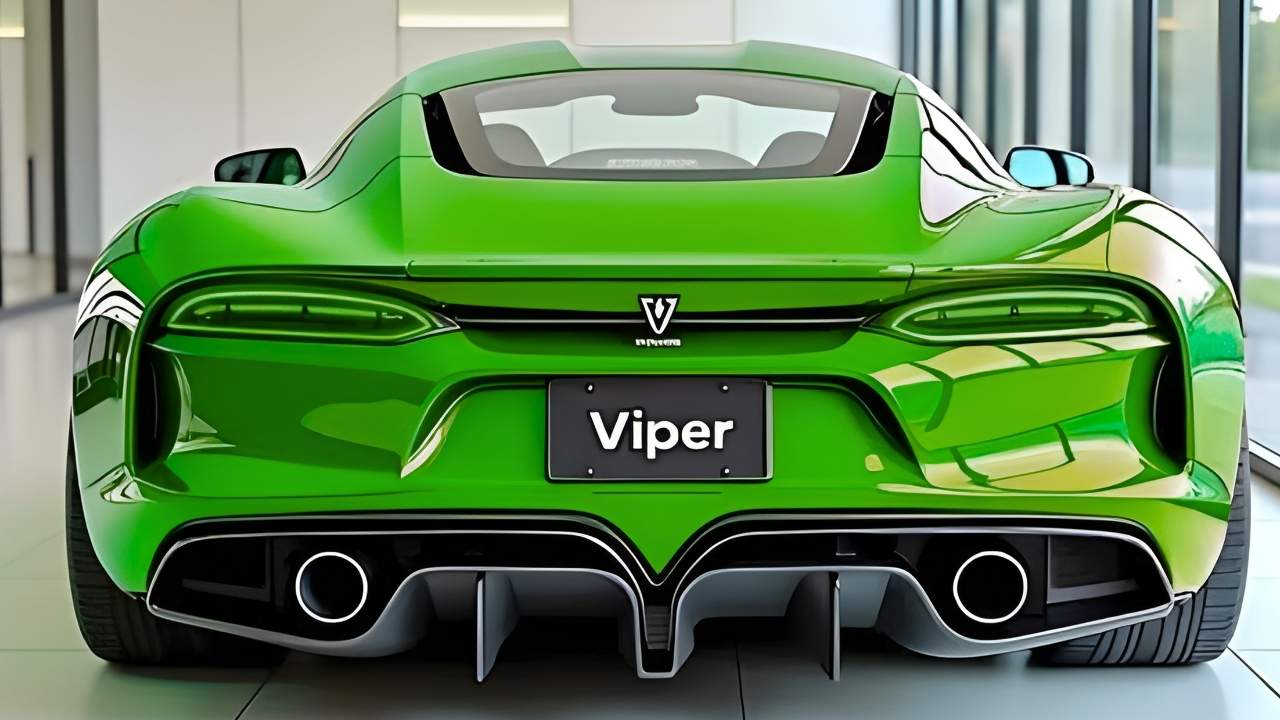
Visually, the 2026 Viper is a study in controlled aggression. Its wide track and low roofline sit on a chassis that appears ready to hug the road. The front end is dominated by a massive honeycomb grille and sleek LED headlights that sit low and wide, giving the car an intimidating stare. Aerodynamic vents channel air through the engine bay and over the roof, while a sculpted rear diffuser and quad exhaust tips hint at the power lurking beneath the bonnet. Every surface seems purpose‑built, balancing form and function to reduce drag while preserving the Viper’s unmistakable presence.
Powertrain & Performance
The V10 engine remains naturally aspirated, a decision that pays homage to the Viper’s heritage of delivering unfiltered, high‑revving excitement. Drivers can expect the engine to scream past the 7,000 rpm mark, offering an exhilarating soundtrack that is as much a part of the experience as the speed itself. The six‑speed manual transmission is calibrated for rapid gear changes, encouraging an intimate connection between driver and machine. On the track, the Viper is capable of holding a 1:45 lap at many regional circuits, while the street‑legal setup still delivers comfortable cruising at highway speeds.

Chassis & Handling
Dodge has equipped the Viper with an adaptive performance suspension that continuously reads road conditions and driver inputs, adjusting damping rates in real time. This results in a ride that can transition from compliant on a city boulevard to razor‑sharp on a twisty mountain pass. A limited‑slip differential works in tandem with the rear‑wheel‑drive system to improve traction out of corners, while Brembo’s four‑piece calipers provide consistent, fade‑free stopping power even after multiple hard laps.
Interior & Technology
Inside, the cabin balances a race‑car feel with everyday practicality. Lightweight Alcantara‑wrapped seats are bolstered with carbon‑fiber reinforcements, offering firm support without sacrificing comfort on longer trips. The driver’s cockpit is centred around a high‑resolution digital instrument cluster that displays speed, rpm, g‑forces, and lap times at a glance. Smartphone integration, a premium audio system, and dual‑zone climate control are all present, but they are intentionally positioned to avoid clutter and keep the driver’s focus on the road ahead.

Safety & Driver Assistance
While the Viper is built for performance first, Dodge has not ignored modern safety expectations. The car features a suite of electronic aids, including traction control tuned for high‑performance driving, stability control that intervenes only when necessary, blind‑spot monitoring, and rear cross‑traffic alert. These systems are designed to be unobtrusive, allowing the driver to enjoy the Viper’s raw nature while still benefiting from a safety net that can be especially helpful in daily traffic.
Real‑World Usability
Despite its track‑oriented DNA, the 2026 Viper is surprisingly approachable for everyday use. Visibility has been improved with larger side mirrors and a rear‑view camera, while the adaptive suspension smooths out rough pavement. The cabin offers adequate storage for a weekend bag, and the infotainment system supports navigation and media streaming without overwhelming the driver. This blend of extreme performance and reasonable practicality makes the Viper a viable option for enthusiasts who want a supercar they can actually drive to the grocery store.

Market Position & Significance
The Viper’s comeback arrives at a time when many manufacturers are turning toward electrification. By reviving a pure‑blood combustion engine, Dodge sends a clear message: there is still a passionate audience for visceral, driver‑focused machines. The Viper positions itself as a halo car for the brand, reaffirming Dodge’s commitment to performance while coexisting with the company’s expanding electrified lineup. Its presence reminds the market that raw power, distinctive sound, and an unmediated connection to the road remain compelling selling points.
Final Thoughts
The 2026 Dodge Viper succeeds in bridging past and present. It preserves the ferocious spirit that made the original Viper a cult icon, while integrating modern technology, safety features, and a level of refinement that keeps it relevant today. For those who crave a supercar that demands attention, rewards skill, and still manages to be driven on a regular basis, the new Viper feels like a celebration of everything that makes high‑performance driving an art form.

Frequently Asked Questions
What is the expected fuel economy of the 2026 Viper?
The Viper’s large V10 engine prioritises performance over efficiency, and official figures place its combined fuel consumption in the 10‑12 mpg range, depending on driving style and conditions.Does the Viper offer an automatic transmission option?
For the 2026 model year, Dodge is releasing the Viper exclusively with a six‑speed manual gearbox to maintain the pure driving experience that defines the model.
How does the adaptive suspension work on everyday roads?
Sensors continuously monitor wheel movement, body roll, and road surface. The system then tweaks damper pressure in milliseconds, delivering a comfortable ride on smooth streets while stiffening up for spirited cornering.What warranty coverage does Dodge provide for the new Viper?
Dodge offers a three‑year/36,000‑mile limited bumper‑to‑bumper warranty, along with a five‑year/60,000‑mile powertrain warranty that covers the V10 engine and transmission. Can I personalize the Viper with aftermarket parts?
Yes, Dodge has partnered with several performance and styling specialists to offer factory‑approved accessories such as carbon‑fiber splitters, upgraded exhaust systems, and track‑focused suspension kits.


Disclaimer
The information presented in this article is based on publicly released specifications, dealer briefings, and manufacturer statements. Actual performance figures, equipment levels, and availability may differ according to market, model year updates, and individual vehicle configurations.